
Efficient Strategies for Organizing Small Living Spaces
In today’s urban environments, space is a luxury. With rising property prices and a shift toward minimalist living, many people find themselves living in smaller homes or apartments. But having a small space doesn’t mean you have to sacrifice comfort, style, or functionality. With smart planning and the right strategies, even the most compact living areas can be transformed into organized, stylish, and highly efficient homes.
Managing a small home requires a blend of creativity, intention, and a keen understanding of your personal needs. It’s not about cramming everything into one area—it’s about making every square meter work smarter. This article explores practical and thoughtful strategies to help you design, organize, and enjoy your small home without feeling cramped or cluttered.
Understanding the Function of Each Area
The foundation of any successful space-saving strategy starts with understanding how you use your space. Before buying new furniture or rearranging rooms, take time to evaluate your daily activities and priorities. Do you work from home? Do you love cooking or entertaining guests? Are storage and privacy important to you? Once you know your lifestyle needs, you can begin designing your home around them.
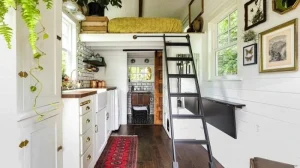
In a small space, every room—and often every corner—needs to serve a clear purpose. For example, an open living area can function as both a lounge and a dining space if you use the right furniture. A hallway can double as a book nook or include discreet storage cabinets. A bedroom corner can house a compact workstation. The key is to define areas not just by walls, but by function.
Embracing Minimalism Without Sacrificing Comfort
Decluttering is perhaps the most important step in organizing a small home. The more you own, the more space you need to store and manage your belongings. Start by sorting through items room by room. Let go of things that no longer serve a purpose, and keep only what you use regularly or deeply value.
Minimalism doesn’t mean living with the bare minimum—it means being intentional about what stays in your home. Choose furniture and items that bring you joy, serve multiple purposes, or enhance your daily routine. Once the clutter is gone, even the smallest space can feel significantly larger and more breathable.
Smart Furniture Choices for Small Spaces
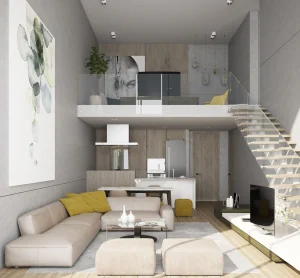
Furniture can either make or break the functionality of a small room. Traditional bulky pieces often waste space or create visual heaviness. Instead, opt for sleek, compact furniture designed for small living. Items with built-in storage—such as ottomans, beds with drawers, and coffee tables with shelves—are especially useful.
Foldable or modular furniture is also highly effective. A wall-mounted drop-leaf table can serve as a dining area and then be folded away. A sofa bed offers both seating and sleeping space without requiring a separate guest room. Nested tables, stackable chairs, and expandable dining sets offer flexibility without permanent space commitment.
Furniture with exposed legs or made from lightweight materials can help maintain a sense of openness. Glass or acrylic tables, for instance, create less visual weight, making rooms feel more spacious.
Vertical Space: The Often-Overlooked Solution
When floor space is limited, the walls and vertical areas become incredibly valuable. Wall-mounted shelves, tall bookcases, and hanging organizers can significantly boost storage without crowding your floor. Consider using the upper portions of walls for storing rarely-used items in stylish baskets or cabinets.
In kitchens, ceiling-hung racks for pots and pans or magnetic strips for knives can free up drawer space. In bathrooms, vertical cabinets above toilets or door hooks for towels can be game changers. Even in the bedroom, a high headboard with built-in storage or floating bedside shelves can create extra room.
Another trick is using floor-to-ceiling curtains, which visually heighten the room. Mirrors also help by reflecting light and making rooms feel more expansive.
Zoning and Visual Flow
In small homes, it’s important to create a sense of order and flow—especially in open-plan areas. This is where zoning becomes essential. Zoning is the practice of visually dividing a room into sections that serve different functions. You can achieve this with rugs, furniture arrangement, lighting, or color schemes.
For instance, a rug under a seating area helps define the living room zone. Pendant lighting over a table distinguishes the dining space. A different wall color behind your workspace signals a shift in function without the need for walls.
Maintaining visual flow is equally important. Too many contrasting colors or clashing furniture styles can make a room feel chaotic and disjointed. Opt for a consistent palette and cohesive design to keep the space feeling unified and calm.
Lighting and Color to Enhance Perception
Natural light plays a powerful role in making a space feel larger and more open. Maximize daylight by using sheer curtains or blinds, placing mirrors opposite windows, and avoiding heavy, dark furniture near light sources. In rooms with limited sunlight, use layered lighting—such as ceiling lights, floor lamps, and task lighting—to create warmth and depth.
Color also influences how large or small a space feels. Light colors—like white, soft gray, or pastel tones—can make a room appear more airy. That said, small spaces don’t have to be colorless. Bold accents on one wall or through accessories can add personality without shrinking the room.
Built-In Storage and Customized Solutions
Built-in storage is often the most space-efficient option, especially in narrow or awkwardly-shaped rooms. Custom cabinetry that follows the contours of your home can utilize every inch effectively. Consider floor-to-ceiling wardrobes, under-stair storage drawers, or a bed platform with compartments below.
In very small homes, even unconventional areas—such as under windows, above door frames, or around corners—can be transformed into usable storage with a bit of creativity and custom design. While custom solutions may cost more upfront, they offer long-term value by maximizing space and reducing the need for freestanding furniture.
Creating Breathing Room and Open Feel
In small homes, it’s tempting to fill every gap with furniture or storage, but leaving a bit of empty space is essential. Breathing room allows the eye to rest and makes the space feel less cramped. Try to leave clear paths between furniture pieces and avoid over-decorating walls or surfaces.
Choose fewer, larger decor pieces rather than many small ones. For example, one large piece of art can feel more open than a gallery wall of smaller frames. Similarly, open shelving with just a few decorative items feels lighter than shelves packed with objects.
Daily Habits That Keep Things Organized
Even with the perfect layout, small homes require consistent effort to stay organized. Develop daily habits like resetting shared areas every evening, returning items to their proper place, and doing regular mini-declutters. Make use of labeled boxes, drawer dividers, and storage baskets to keep things neat behind closed doors.
If space allows, designate a “drop zone” near the entrance for keys, bags, and shoes to avoid clutter spreading into the main living area. Keeping surfaces clear—like counters and tables—helps maintain a tidy, spacious feel.
Final Thoughts
Living in a small home doesn’t mean giving up on comfort or style. With smart design, multifunctional furniture, thoughtful storage, and consistent organization, you can transform any small space into a home that feels open, functional, and deeply personal. The goal is not to simply fit everything in, but to create a space where every detail has purpose and every corner feels intentional.
A well-organized small home reflects not only spatial awareness but also an understanding of what truly matters in your everyday life. It’s not about the size—it’s about how you use it.