
Modern Minimalist House Design
Modern minimalist house design, at its core, is an architectural and interior design philosophy centered around simplicity, functionality, and a profound appreciation for open space. It’s not merely about stripping a space bare; rather, it’s a deliberate and thoughtful approach to curating a living environment that promotes tranquility, reduces visual clutter, and enhances the overall quality of life.
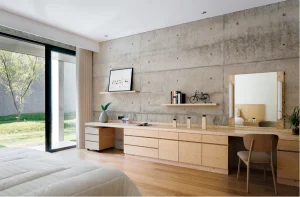
The Essence of Minimalism: More Than Just Empty Space
To truly understand modern minimalist house design, it’s crucial to move beyond the surface-level perception of emptiness. While it undoubtedly emphasizes decluttering and removing unnecessary objects, the heart of minimalism lies in intentionality. Every element within the space should serve a purpose, contributing to both the aesthetic appeal and the functional efficiency of the home. This intentionality extends to the selection of materials, the flow of natural light, and the overall layout of the house.
Key Principles of Modern Minimalist Design
Several key principles guide the creation of a successful modern minimalist house:
- Simplicity: This is perhaps the most defining characteristic. It involves reducing the design to its essential elements, eliminating ornamentation, and focusing on clean lines and geometric forms.
- Functionality: Every object and space must serve a practical purpose. If an item doesn’t contribute to the functionality of the home, it’s considered unnecessary.
- Open Space: Minimalist designs often feature open floor plans that create a sense of spaciousness and allow for easy movement throughout the house.
- Natural Light: Maximizing natural light is crucial. Large windows, skylights, and strategically placed mirrors help to flood the interior with sunlight, creating a bright and airy atmosphere.
- Neutral Color Palette: Minimalist homes typically employ a neutral color palette, such as whites, grays, and beiges. These colors create a calming and serene environment. Accents of bolder colors may be used sparingly to add visual interest.
- Quality over Quantity: Investing in high-quality, durable materials and furniture is preferred over accumulating numerous inexpensive items. This ensures longevity and reduces the need for frequent replacements.
- Decluttering: Regularly decluttering is essential for maintaining a minimalist lifestyle. This involves getting rid of items that are no longer needed or used, and organizing belongings in a way that minimizes visual clutter.
- Clean Lines: Embrace straight, clean lines in architecture, furniture, and decor. This creates a sense of order and simplicity.
- Geometric Forms: Favor simple geometric shapes in the overall design, such as squares, rectangles, and circles.
Architectural Elements of Minimalist Houses
The architectural design of a minimalist house often reflects the principles of simplicity and functionality. Several key elements contribute to the overall aesthetic:
Exterior Design
Minimalist house exteriors typically feature clean lines, simple geometric forms, and a lack of ornamentation. Common materials include concrete, glass, steel, and wood. The overall design is often understated and elegant, blending seamlessly with the surrounding environment.
- Flat Roofs: Flat roofs are a common feature of minimalist houses, contributing to the clean and modern aesthetic.
- Large Windows: Large windows are used to maximize natural light and provide expansive views of the surrounding landscape.
- Minimalist Landscaping: Landscaping is typically minimalist, featuring simple plantings and clean lines.
- Siding Materials: Common siding materials include concrete, stucco, wood siding with simple, clean lines, and metal panels.
- Limited Ornamentation: Ornamentation is kept to a minimum, focusing instead on the beauty of the materials and the overall form.
Interior Design
The interior design of a minimalist house emphasizes open space, natural light, and a neutral color palette. Furniture is carefully selected for its functionality and aesthetic appeal.
- Open Floor Plans: Open floor plans are a defining characteristic of minimalist interiors, creating a sense of spaciousness and allowing for easy movement.
- Neutral Color Palette: A neutral color palette of whites, grays, and beiges creates a calming and serene environment.
- Minimalist Furniture: Furniture is carefully selected for its functionality and aesthetic appeal, with an emphasis on clean lines and simple forms.
- Hidden Storage: Built-in storage and hidden compartments help to minimize clutter and keep the space organized.
- Strategic Lighting: Lighting is carefully planned to create a warm and inviting atmosphere. Recessed lighting, track lighting, and pendant lights are commonly used.
- Minimalist Decor: Decor is kept to a minimum, with a focus on a few carefully selected pieces that add visual interest and personality.
Interior Design: Creating a Minimalist Sanctuary
The true power of minimalist design lies in its ability to transform a house into a sanctuary. By carefully curating the interior, you can create a space that is both aesthetically pleasing and conducive to relaxation and well-being.
Choosing the Right Furniture
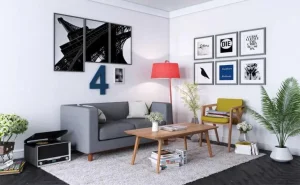
Furniture selection is a critical aspect of minimalist interior design. Each piece should be chosen for its functionality, aesthetic appeal, and ability to contribute to the overall sense of calm and simplicity.
- Multi-functional Furniture: Opt for furniture that serves multiple purposes, such as a sofa bed or a coffee table with storage. This helps to maximize space and minimize clutter.
- Simple Designs: Choose furniture with clean lines and simple forms. Avoid ornate details and elaborate decorations.
- Quality Materials: Invest in high-quality furniture that will last for years to come. Natural materials such as wood, leather, and linen are often preferred.
- Comfort is Key: Don’t sacrifice comfort for the sake of aesthetics. Choose furniture that is both stylish and comfortable to use.
- Consider Scale: Pay attention to the scale of the furniture in relation to the size of the room. Avoid overcrowding the space with too much furniture.
The Power of a Neutral Color Palette
A neutral color palette is a cornerstone of minimalist design. Whites, grays, and beiges create a calming and serene environment, allowing other elements of the design to stand out.
- White as a Base: White is often used as the primary color in minimalist interiors. It reflects light, creating a sense of spaciousness and airiness.
- Gray for Depth: Shades of gray can be used to add depth and dimension to the space.
- Beige for Warmth: Beige provides a touch of warmth and earthiness, preventing the space from feeling too sterile.
- Accent Colors: Accent colors can be used sparingly to add visual interest. Choose colors that complement the neutral palette, such as blues, greens, or yellows.
- Texture Matters: Incorporate different textures to add visual interest and prevent the space from feeling flat. Use materials such as wood, linen, and wool to create a tactile experience.
Maximizing Natural Light

Natural light is essential for creating a bright and airy minimalist interior. Maximize natural light by using large windows, skylights, and strategically placed mirrors.
- Large Windows: Install large windows to allow ample natural light to enter the space.
- Skylights: Consider adding skylights to bring natural light into areas that don’t have direct access to windows.
- Light Curtains: Use light curtains or blinds that allow natural light to filter through while still providing privacy.
- Mirror Placement: Strategically place mirrors to reflect light and create the illusion of more space.
- Light Color Walls: Paint walls in light colors to reflect light and brighten the space.
The Art of Decluttering
Decluttering is an ongoing process that is essential for maintaining a minimalist lifestyle. Regularly declutter your home to get rid of items that are no longer needed or used.
- One In, One Out Rule: For every new item you bring into your home, get rid of one old item.
- Regular Purges: Schedule regular purges to declutter your home. Go through each room and get rid of items that you no longer need or use.
- Donate or Sell: Donate or sell items that are in good condition but no longer needed.
- Storage Solutions: Invest in storage solutions to keep your belongings organized and out of sight.
- Conceal Clutter: Use storage containers and cabinets to conceal clutter and keep the space tidy.
Sustainable Minimalism: A Conscious Approach
Modern minimalist house design can be seamlessly integrated with sustainable practices, creating a living space that is not only aesthetically pleasing but also environmentally responsible. This conscious approach focuses on reducing environmental impact through material selection, energy efficiency, and mindful consumption.
Eco-Friendly Materials
Choosing sustainable and eco-friendly materials is a cornerstone of sustainable minimalism. These materials minimize environmental impact, reduce waste, and often offer better durability and longevity.
- Recycled Materials: Incorporate recycled materials such as recycled glass countertops, recycled metal accents, and reclaimed wood flooring.
- Sustainable Wood: Opt for wood certified by the Forest Stewardship Council (FSC), ensuring responsible forestry practices.
- Bamboo: Bamboo is a rapidly renewable resource that can be used for flooring, furniture, and other decorative elements.
- Natural Fibers: Choose natural fibers like linen, cotton, and hemp for upholstery, curtains, and rugs. These materials are biodegradable and require less energy to produce than synthetic fibers.
- Low-VOC Paints and Finishes: Use paints and finishes with low or zero volatile organic compounds (VOCs) to improve indoor air quality.
Energy Efficiency
Energy efficiency is paramount in sustainable minimalist house design. Reducing energy consumption not only lowers utility bills but also minimizes the carbon footprint of the home.
- Passive Solar Design: Orient the house to maximize solar gain in the winter and minimize it in the summer. Use overhangs and shading devices to control sunlight.
- Insulation: Ensure adequate insulation in walls, roofs, and floors to reduce heat loss in the winter and heat gain in the summer.
- Energy-Efficient Windows and Doors: Install energy-efficient windows and doors with low-E coatings to reduce heat transfer.
- LED Lighting: Use LED lighting throughout the house. LEDs are much more energy-efficient than traditional incandescent bulbs.
- Energy-Efficient Appliances: Choose Energy Star-rated appliances to minimize energy consumption.
- Smart Home Technology: Utilize smart home technology to control lighting, temperature, and other energy-consuming devices.
Mindful Consumption
Sustainable minimalism encourages mindful consumption, focusing on purchasing only what is needed and choosing products that are durable and long-lasting. This reduces waste and promotes a more conscious lifestyle.
- Buy Less: Reduce the amount of stuff you buy. Before making a purchase, ask yourself if you truly need the item.
- Buy Quality: Invest in high-quality products that will last for years to come.
- Choose Durable Goods: Select products that are designed to be durable and repairable.
- Reduce Packaging: Choose products with minimal packaging or packaging made from recycled materials.
- Support Local Businesses: Support local businesses and artisans. This reduces transportation costs and supports the local economy.
Applying Minimalist Principles to Different Rooms
While the core principles of minimalist design remain consistent, their application can vary depending on the specific room. Here’s how to approach minimalist design in different areas of the house:
Living Room
The living room, often the heart of the home, should be a space for relaxation and connection. Minimalism in the living room focuses on creating a comfortable and uncluttered environment.
- Comfortable Seating: Choose a comfortable sofa and chairs with simple lines.
- Minimalist Coffee Table: Opt for a minimalist coffee table with clean lines and a functional design.
- Area Rug: Use an area rug to define the seating area and add warmth to the space.
- Limited Decor: Keep decor to a minimum. A few carefully selected pieces of art or decorative objects are sufficient.
- Hidden Storage: Use built-in storage or storage ottomans to conceal clutter.
Bedroom
The bedroom should be a tranquil sanctuary for rest and relaxation. Minimalism in the bedroom focuses on creating a clutter-free and calming environment.
- Simple Bed Frame: Choose a simple bed frame with clean lines.
- Minimalist Bedding: Opt for minimalist bedding in neutral colors.
- Nightstands: Use simple nightstands with drawers or shelves for storage.
- Limited Decor: Keep decor to a minimum. A few personal items are sufficient.
- Decluttered Closet: Regularly declutter your closet to get rid of clothes that you no longer wear.
Kitchen
The kitchen should be a functional and efficient space for cooking and preparing meals. Minimalism in the kitchen focuses on creating a clutter-free and organized environment.
- Clean Countertops: Keep countertops clean and clutter-free. Store appliances and utensils in cabinets or drawers.
- Minimalist Utensils and Cookware: Only keep the utensils and cookware that you use regularly.
- Organized Pantry: Organize your pantry to make it easy to find what you need.
- Neutral Color Palette: Use a neutral color palette for cabinets and countertops.
- Effective Lighting: Ensure that you have adequate lighting for cooking and food preparation.
Bathroom
The bathroom should be a clean and relaxing space for personal care. Minimalism in the bathroom focuses on creating a clutter-free and spa-like environment.
- Clean Countertops: Keep countertops clean and clutter-free. Store toiletries in cabinets or drawers.
- Minimalist Shower or Tub: Choose a minimalist shower or tub with clean lines.
- Neutral Color Palette: Use a neutral color palette for walls and tiles.
- Effective Lighting: Ensure that you have adequate lighting for personal care.
- Storage Solutions: Use storage solutions to keep toiletries and towels organized.
Overcoming Challenges in Minimalist Design
While the concept of minimalist design is appealing, implementing it effectively can present certain challenges. Understanding these challenges and developing strategies to overcome them is crucial for creating a successful minimalist home.
Maintaining Clutter-Free Spaces
One of the biggest challenges of minimalist living is maintaining clutter-free spaces. It requires constant vigilance and a commitment to decluttering regularly.
- Establish Decluttering Routines: Schedule regular decluttering sessions, such as weekly or monthly, to prevent clutter from accumulating.
- The One-Touch Rule: Handle items only once. When you pick something up, decide immediately whether to put it away, donate it, or throw it away.
- Designated Storage Spaces: Create designated storage spaces for specific items to keep them organized and out of sight.
- Avoid Impulse Purchases: Before making a purchase, take time to consider whether you truly need the item.
- Regularly Assess Belongings: Periodically assess your belongings and get rid of items that you no longer use or need.
Finding the Right Balance Between Minimalism and Comfort
Striking the right balance between minimalism and comfort is essential. A minimalist home should be both aesthetically pleasing and comfortable to live in.
- Prioritize Comfort: Don’t sacrifice comfort for the sake of aesthetics. Choose furniture and decor that are both stylish and comfortable to use.
- Incorporate Personal Touches: Add personal touches to the space to make it feel more inviting and lived-in.
- Focus on Functionality: Ensure that every element in the space serves a practical purpose.
- Create Zones for Different Activities: Designate zones for different activities, such as reading, working, or relaxing.
- Use Textiles to Add Warmth: Incorporate textiles such as rugs, blankets, and pillows to add warmth and texture to the space.
Dealing with Storage Constraints
Limited storage space can be a significant challenge in minimalist design. Finding creative storage solutions is essential for keeping the space organized and clutter-free.
- Maximize Vertical Space: Utilize vertical space by installing shelves and cabinets that reach the ceiling.
- Built-In Storage: Consider incorporating built-in storage solutions, such as window seats with storage or custom-built cabinets.
- Multi-functional Furniture: Choose furniture that serves multiple purposes, such as a sofa bed or a coffee table with storage.
- Under-Bed Storage: Utilize under-bed storage containers to store items that are not used frequently.
- Wall-Mounted Organizers: Use wall-mounted organizers to store items such as tools, books, or kitchen utensils.
Inspirational Examples of Modern Minimalist Houses
Looking at real-world examples can provide inspiration and guidance for creating your own modern minimalist home. Here are a few noteworthy examples:
The Minimalist Cube House
This house, characterized by its cubic form and large windows, exemplifies the principles of simplicity and functionality. The interior features an open floor plan, a neutral color palette, and minimalist furniture.
The Scandinavian-Inspired Minimalist Home
This home draws inspiration from Scandinavian design, emphasizing natural materials, light colors, and a cozy atmosphere. The interior features wood flooring, white walls, and minimalist furniture with clean lines.
The Urban Minimalist Apartment
This apartment showcases how minimalist principles can be applied to smaller living spaces. The interior features a neutral color palette, minimalist furniture, and clever storage solutions.
Conclusion: Embracing the Beauty of Simplicity
Modern minimalist house design is more than just a trend; it’s a lifestyle choice that prioritizes simplicity, functionality, and a deep appreciation for open space. By embracing the principles of minimalism, you can create a home that is both aesthetically pleasing and conducive to a more peaceful and fulfilling life. From architectural considerations to interior design choices and sustainable practices, every element contributes to the overall goal of creating a space that is truly a sanctuary. It’s about creating a home that supports your well-being, reduces stress, and allows you to focus on what truly matters.
Ultimately, the beauty of minimalist design lies in its ability to create a sense of calm and clarity. By decluttering your physical space, you can also declutter your mind, leading to a more focused and intentional life. Embrace the beauty of simplicity and transform your house into a modern minimalist haven.
The journey towards a minimalist home is an ongoing process. It requires commitment, mindfulness, and a willingness to let go of unnecessary possessions. However, the rewards are well worth the effort. A minimalist home can be a sanctuary from the chaos of the outside world, a place where you can relax, recharge, and reconnect with yourself.
So, take the first step towards creating your own modern minimalist haven. Start by decluttering one room at a time, focusing on the principles of simplicity, functionality, and natural light. As you transform your physical space, you may also find that you are transforming your life in positive ways. Embrace the beauty of simplicity and discover the joy of living in a minimalist home.